


Botulin is one of the most popular means of modern use in aesthetic surgery for smoothing wrinkles of the forehead, eyebrow area and so-called crow’s feet.
The procedure consists in combining a strong botulinum toxin with a neuromuscular plate, in the consecration of which there is a blockade of the so-called neuromuscular synapse. This preparation is used for various types of medical conditions.
What does Botox mean?
Botox – botulinum toxin is a substance that blocks neuromuscular conductor. This substance, given very precisely and in appropriate doses, blocks muscle contraction and therefore reduces the wrinkles. The procedure of botulinum toxin by a doctor of is completely safe and highly effective if it’s administered by a aesthetic medicine highly qualified Specialist.
What is botox treatment?
We evaluate the work of specific muscles and select precisely the number of units of botulinum toxin. Then through a fine needle the preparation is administered into the muscle. The effect of the preparation increases slowly, the muscle shrinks less and less, the full effect we see after 2 weeks.
How many treatments are required to achieve the desired effect?
One treatment is enough to effectively reduce the appearance of wrinkles.
- elimination of wrinkles so-called Crow’s feet- around the eye, lion’s wrinkles – forehead, busy lip, wrinkles of the smoker
- regulating muscle tone (e.g. eyebrow raising, nasal correction, migraine treatment and bruxism)
- restriction of sweat glands in the treatment of hyperhidrosis
A few days after the procedure, the strength of muscle contraction weakens, which smoothes wrinkles, the face is more radiant and rested. The full effect is achieved after 2 weeks, the effect persists about 4 – 6 months after this period muscle contractility returns to its original state.
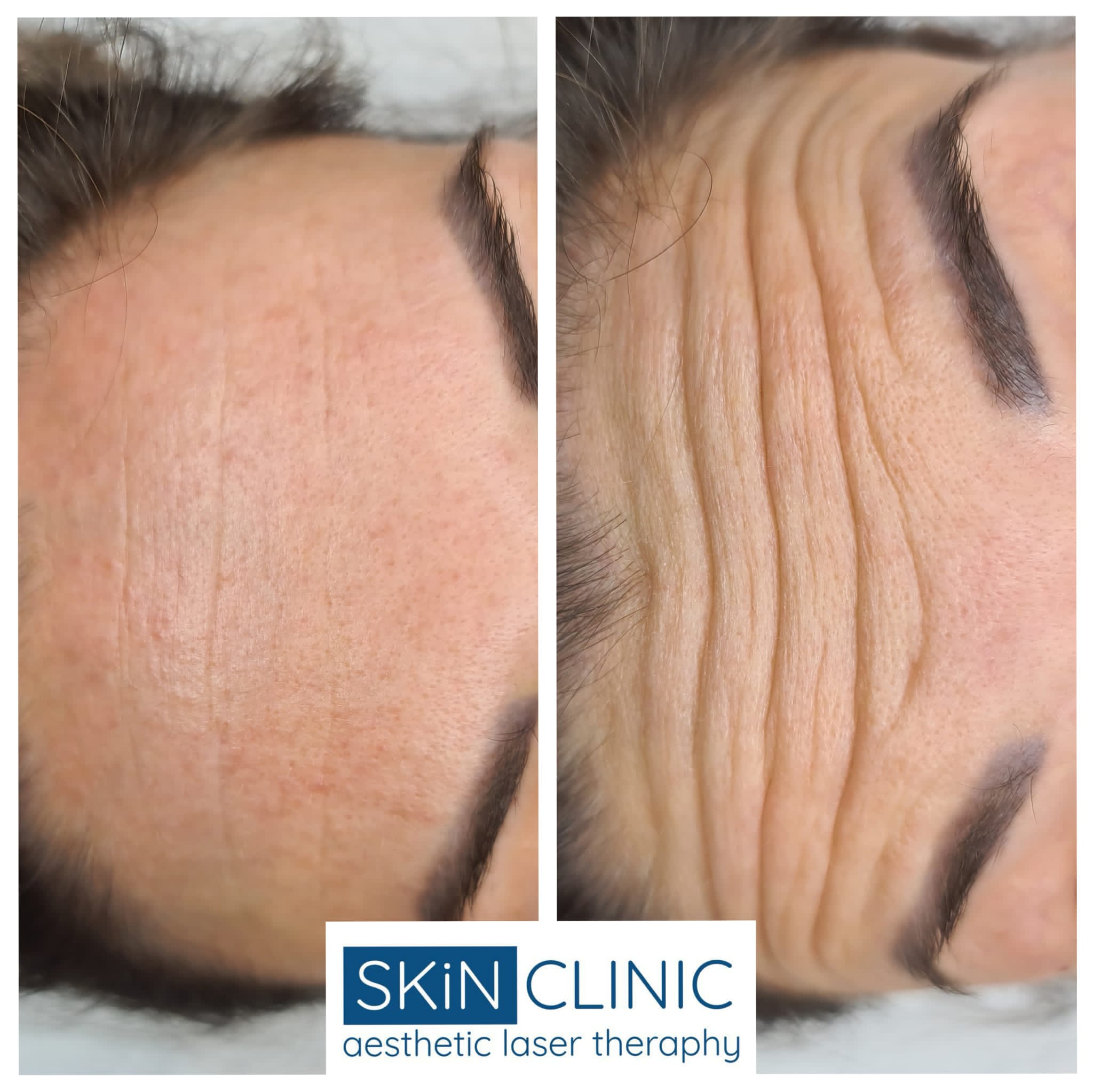
It is necessary to maintain hygiene in the treated area, do not massage the area, for 3-4 days you cannot use the pool, sauna, gym and avoid sun exposure.
- intolerance to botulinum toxin type A or any of the components of the preparation (extremely rare); albumin sensitization (this is a protein found in some Botox preparations); hypersensitivity / sensitization to chicken egg protein – in Botox and Azalure preparations the carrier is chicken egg protein (not applicable to Boccuture)
- treatment with antibioticsnoglycoside (streptomycin, gentamycin, neomycin) – may interact with the toxin and thus increase the risk of side effects
- blood clotting disorders and blood thinners (including aspirin) – increase the likelihood of bruising at needle injection sites
- spasticity medications (diastolic medicines)
- intake of incomycin, tetracycline
- skin cancers
- neuromuscular plaque disease and neuromuscular conduction disorders
- Lambert-Eaton syndrome, a neurological condition of myasthenia gravis
- chronic autoimmune diseases (e.g. rheumatoid arthritis) and cardiovascular
- ALS disease (amyotrophic lateral sclerosis) and Alzheimer’s extensive and profound skin damage
- active skin infection at the site of administration, active herpes
- flu, colds or generally deteriorated pregnancy health
| One Area | £140 |
|---|---|
| Two Areas | £160 |
| Three Areas | £180 |